
Liturgies in Lourdes
Liturgies in Lourdes create a deeply spiritual atmosphere, allowing pilgrims to find solace, experience healing and deepen their faith through ritual, communal prayer and worship, and the sharing of pilgrimage together.
The primary focus of liturgy in Lourdes centres on daily Masses in multiple languages in the various churches and basilicas, including the large underground Basilica of St. Pius X, with a special International Mass on Sundays and Wednesdays.
Torchlight Processions are a daily event from April to October where pilgims walk with candle lit torches, singing hymns and praying the Rosary, led by the statue of the Virgin Mary.
A modern adaptation of the bathing practice, involving prayerfully washing hands/face and drinking water from the spring, symbolises healing and hope. This is accompanied by the praying of the Rosary and on occasion a liturgy of washing.
An integral part of any pilgrimage to Lourdes is the Sacrament of Reconciliation (Confession) available in many languages. Chaplains are readily available to guide pilgrims in receiving God's forgiveness, a deeply meaningful act of inner healing and conversion linked to Mary's message to Bernadette. It's more than just confessing sins; it's a transformative spiritual journey focused on reconciliation with God, oneself, and others. The Sacrament of Confession is available at specific times in the Chapel of Reconciliation offering forgiveness and spiritual cleansing.
Diocesan Liturgies in Lourdes
The Mass

The Diocesan pilgrimage begins on the first day at the grotto, the focal point of every pilgrm's journey to Lourdes. Both the sick and the healthy find themselves in front of the Grotto of the Apparitions. Here, pilgrims reconnect with the message of Lourdes. Pilgrims unite together praying for and with each other.
Mass is celebrated each day of the pilgrimage and priests accompanying the diocesan pilgrimage preach the homily. Pilgrims assist in the Masses as readers, cantors, choirs, musicians, and helpers.
Masses throughout the pilgrimage are offered for the intentions of each pilgrim.

Photo Credit: Mac Diarmada
Photo Credit: Diocese of Meath
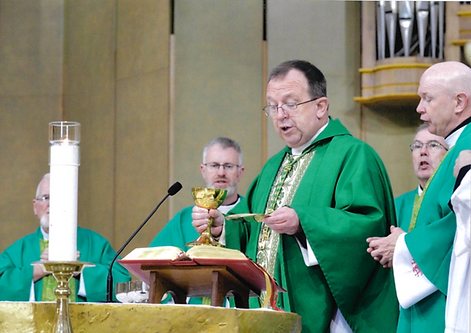

Photo Credit: Diocese of Meath
Passage through the Grotto
After Mass at the grotto, our diocesan pilgrims have an opportunity to pass in procession around the grotto. This gesture involves a silent, reverent walk past the spring where St. Bernadette Soubirous saw apparitions of the Virgin Mary. Pilgrims typically touch the rock, light candles and pray at this core site of the Sanctuary, a place that symbolises peace, hope, and trust in God. It is a time for personal prayer and reflection.

Photo Credit: Shutterstock
The Sacrament of the Anointing of the Sick
In Lourdes, the sick are central, finding a place of profound spiritual and physical hope at the grotto and the miraculous healings from its spring and water. While many visit the baths and are immersed in the spring water, a core ritual of the pilgrimage, the Diocese unites in prayer to celebrate the Sacrament of the Anointing of the Sick.
Members of the diocesan hospitalité, medical staff, volunteers and young people accompany our sick pilgrims for the anointing. Using oil blessed by the bishop, the priests anoint each person by name on the forehead and then on the palms of their hands while reciting the following prayer:


N., through this holy anointing, may the Lord in his love and mercy, help you with the grace of the Holy Spirit. May the Lord who frees you from sin, save you and raise you up.
The sick pilgrim responds: Amen.
Photo Credit: Diocese of Meath
Photo Credit: Diocese of Meath
The Sacrament of Reconciliation
During the pilgrimage, the Diocese celebrates a Service of Reconciliation. Pilgrims are given the opportunity to celebrate God's mercy and forgiveness. The service begins with prayer, scripture and a reflection on the Sacrament of Forgiveness, followed by the opportunity to avail of individual confession.

Photo Credit: Diocese of Meath
The Eucharistic Procession

Photo Credit: Diocese of Meath
“Go and tell the Priests that a chapel should be built here and that people should come here in procession“, the Virgin Mary asked Bernadette during an Apparition. Every day from April to October at 5.00pm the Lourdes pilgrims respond to the request of the Virgin Mary by gathering for the ‘Eucharistic’ Procession.
On a given afternoon, the Diocese participates in the Eucharistic Procession. Fellow-pilgrims are invited to assist with the procession. Members of the diocesan hospitalité, medical staff, volunteers and young people accompany our sick pilgrims in procession. It concludes in the 'Underground Basilica' with a time of adoration followed by the blessing of pilgrims.

Photo Credit: Diocese of Meath
Stations of the Cross

On a designated afternoon, the Diocese prays the Stations of the Cross. Depending on ability, pilgrims may choose between the 'high' and 'low' stations.
Located on a hill above the Sanctuary, the high stations feature large, cast-iron statues depicting the scenes. It involves a significant climb but offers incredible panoramic views of Lourdes.
A more accessible, ground-level set of stations are an option for those less mobile or requiring assistance.
As priests from the diocese lead pilgrims in the Stations, pilgrims carry their own prayers, struggles and sickness asking for the grace to carry their own cross.
Photo Credit: Diocese of Meath
Diocesan Eucharistic Holy Hour
During the Diocesan pilgrimage, our Youth Pilgrims lead the Diocese in prayer before the Lord. The Holy Hour includes quiet, contemplative prayer, moments of adoration, music, and reflections on the pastoral theme assigned by the Sanctuary in Lourdes.
The Holy Hour concludes with benediction.


Photo Credit: Mac Diarmada
Photo Credit: Shutterstock
Blessing of Pilgrim Helpers
The blessing of pilgrim helpers during our diocesan pilgrimage is a significant, symbolic act during which the service of volunteers who care for the sick and assisted pilgrims is acknowledged with gratitude.
The blessing imparted by the bishop recognise the hands that "have touched life," "felt pain," and "embraced with compassion."
Helpers, including many young adult volunteers, are essential to the Lourdes experience, offering their time to ensure assisted pilgrims can participate in the full spiritual programme of the Sanctuary.

Photo Credit: Diocese of Meath
Farewell Ceremony & Blessing of Candles

On the final evening of the diocesan pilgrimage, we assemble for our farewell ceremony. The ceremony brings closure to the spiritual journey of pilgrims with prayers of thanksgiving, reflection and final blessings.
During the ceremony, the diocesan candles are blessed and later brought in procession to the Chapel of Candles. As pilgrims return home, these candles symbolise prayers of hope and intercession for healing and grace to God through Mary's intercession.

At the end of the Mass, the bishop blesses rosaries, medals, water, and mementos of the pilgrimage. These tangible symbols carry reminders of the Virgin Mary's apparitions, promises of healing, and calls for prayer, allowing those at home to experience the hope and peace of Lourdes, seek protection, and strengthen their faith.

Photo Credit: Diocese of Meath
Photo Credit: Diocese of Meath
Photo Credit: Diocese of Meath